Fulton County, Atlanta Rat Control Situation:
Hello, I ran across your article rats in the Attic online earlier today. I have some type of critter that moved in a couple of weeks ago. I thought it was a squirrel until I read your article that said squirrels are diurnal in nature. The thing in my attic is most active around 11pm, I can hear it move around a little bit and chewing on something-it sounds like a handsaw operating, and then again about 6am when it chews much more often and much louder. Is this symptomatic of a squirrel or could it be something else? You say rats live in the attic at night, but I don't even want to say the word rat. I live in Southeast Atlanta Georgia, so I'm not sure it's a flying squirrel, and it's definitely not big enough to be a raccoon or a opossum. Any help you could offer me would be very much appreciated. Thank you!
My response: Sounds like rat activity to me. Maybe you should have a wildlife expert come out and inspect your attic. You've got to find out how the rats are getting in, and seal those areas shut with steel.
Hi, I have a rat in my mini van and I can't get rid of it. I have tried traps - they didn't work. Poison - I think this rat thrives on it . I‘ve clean the van of any food and as it is a newish van there isn't anyway to get in. Help! Minnie
David, I live in Atlanta, not near you in Orlando, but I was looking over your photos of the rats. What are you using for bait on the snap traps or does it vary? Specifically dealing with roof rats and have you used traps outside? I'm fairly sure that I have most of the roof rats (sealed all points and it's been a while) but I feel like making sure by setting a few traps. Any hints would be greatly appreciated.
I bait the traps with a thin spread of peanut butter. But the location of the traps is 10x as important as the bait. Set the traps in areas of high rat activity.
Atlanta Rat Control Tip of The Week
Tips To Get Rid Of Rats In The Attic
It's normal for you to have that sinking feeling in the pit of your stomach when you keep hearing that scurrying sound coming from your attic because of the indecent activities of rats. To put an end to this weird feeling, you need to get rid of the rats living in your attic.
Have you been wanting to do this but you don't know how to go about it? Right here, we will be sharing some tips on how to get rid of rats in the attic. With the following tips, you will be able to do as you please and keep your attic free from rats.
When it comes to getting rid of rats in your attic, the first thing you need to do is to inspect your house in order for you to know exactly how the rats got into your attic. Being a very flexible animal with an ability to sneak around and pass through openings as small as a quarter of an inch, rats can enter into your attic through different openings. What this implies is that you need to inspect your attic properly to know how they got in.
The second step you need to take is to inspect your attic to know the extent to which the rats have damaged your attic. Rats in the attic are capable of chewing your wires and tearing the insulation in the roofing for their nests.
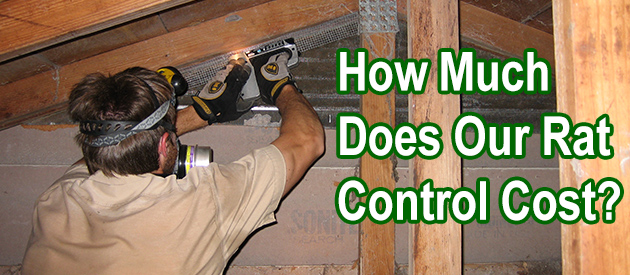
After inspecting the attic, the next thing you need to do is seal up all the entry holes that you were able to find while inspecting the attic. This should be done with durable materials that rats can't chew. Materials like this include steel screens and metal.
Lastly, you need to trap or kill the rats using either a snap trap or a one-way exclusion funnel. Do not use rat poisons to get rid of the rats in your attic. It will only create more environmental problems instead of reducing them.